Ground improvement in Shepparton represents a critical branch of geotechnical engineering focused on modifying the engineering properties of soils to meet the demands of construction. This category encompasses a suite of techniques designed to increase bearing capacity, reduce settlement, control groundwater, and mitigate the risks associated with problematic foundation soils. For a regional hub experiencing steady residential subdivision growth, commercial expansion, and significant infrastructure investment, the importance of reliable ground improvement cannot be overstated. The local soil profile, dominated by the Shepparton Formation, presents unique challenges that make these interventions not merely an option, but a fundamental necessity for safe and durable development.
The geotechnical landscape of Shepparton is heavily influenced by Quaternary alluvial deposits, which include highly reactive clays, loose sands, and silts. Reactive clay soils, in particular, are notorious for their shrink-swell behaviour, causing significant seasonal ground movement that can crack slabs, roads, and buried services. These expansive soils demand robust solutions, often addressed through techniques like preloading design for controlled settlement or specific drainage strategies. Additionally, the presence of palaeochannels and variable alluvial lenses means ground conditions can change dramatically across a single site, necessitating thorough investigation and tailored improvement strategies to ensure uniform foundation performance.
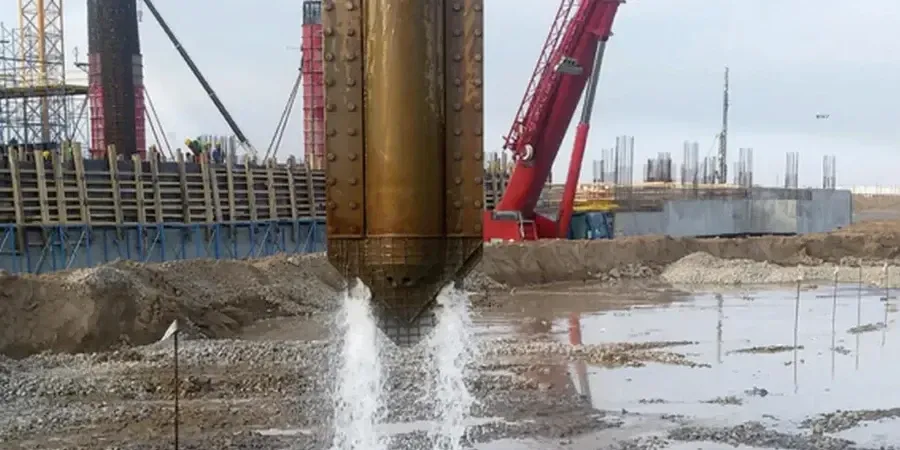
All ground improvement works in Shepparton must comply with the National Construction Code (NCC) and the relevant Australian Standards, most notably AS 2870 for residential slabs and footings, and AS 3798 for earthworks. These standards mandate site classification based on soil reactivity and require specific design and construction practices to manage ground movement. Furthermore, projects are guided by AS 5100 for bridgeworks and local council engineering design guidelines, which often stipulate minimum bearing capacities and settlement criteria. Adherence to these regulations is not just a legal requirement but a framework that ensures ground improvement designs, from geotechnical drainage design to advanced grouting, are engineered to withstand local conditions over the design life of the structure.
The application of ground improvement in Shepparton spans a diverse range of project types. Residential developments on Class H or E sites routinely require soil stabilisation or piering systems to manage reactivity. Civil infrastructure projects, such as road embankments over soft alluvial ground, frequently utilise preloading with surcharge design to accelerate primary settlement. Commercial and industrial buildings, with their higher floor loadings and strict tolerance requirements, often rely on grouting design to densify loose granular layers or fill voids. Agricultural water infrastructure and stormwater management basins also depend on effective geomembrane specification and drainage to prevent liner failure and ensure containment integrity in the region's reactive soils.
Available services
Unsaturated soil analysis
→ Ver detalleGeotechnical drainage design
→ Ver detalleGrouting design
→ Ver detallePreloading design (without surcharge)
→ Ver detallePreloading with surcharge design
→ Ver detalleGeomembrane specification
→ Ver detalleGeotechnical instrumentation (design and installation)
→ Ver detalleOrganic soil management
→ Ver detalleTop questions
What is ground improvement and when is it necessary in Shepparton?
Ground improvement is the modification of in-situ soils to enhance their engineering properties, such as strength, stiffness, and permeability. In Shepparton, it is often essential due to the widespread reactive clays and variable alluvial soils that can cause excessive settlement or foundation movement, making unimproved ground unsuitable for supporting structures.
How do local soil conditions in Shepparton affect the choice of ground improvement method?
The Shepparton Formation's highly reactive clays demand methods that manage moisture-driven volume change, like drainage or preloading. In contrast, loose sandy lenses found in palaeochannels may require densification via grouting. The selection is driven by a detailed site investigation that identifies the specific soil profile and its response to loading and water.
What Australian standards govern ground improvement works in Shepparton?
Key standards include AS 2870 for residential footing design on reactive soils, AS 3798 for earthworks control, and AS 5100 for bridgeworks. These standards set performance criteria for bearing capacity and settlement, and compliance with them is mandatory under the National Construction Code and local council requirements.
Is ground improvement a cost-effective solution for smaller residential projects in the region?
For small-scale residential builds on poor ground, targeted ground improvement can be highly cost-effective compared to deep piling or extensive over-excavation. Techniques like preloading or shallow soil stabilisation can mitigate the long-term risks and maintenance costs associated with foundation movement in Shepparton's reactive clays, protecting the homeowner's investment.